
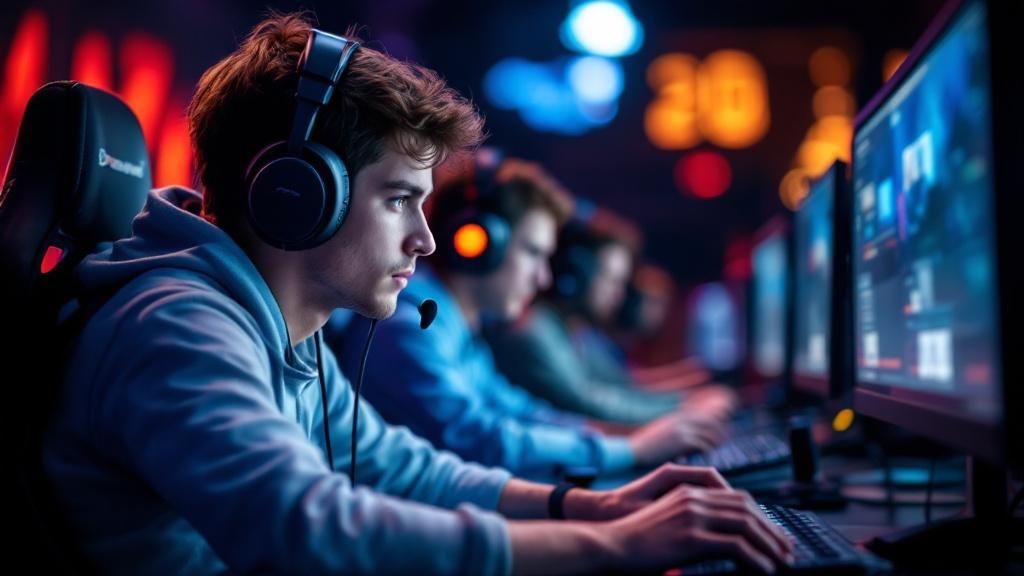
The esports industry has undergone a significant transformation, with professional teams now acknowledging that competitive gaming demands more than exceptional skill and reflexes. Mental health has become a essential component of player performance and wellbeing, prompting top teams to commit significant resources in psychological support services. From specialist mental health professionals to customised wellbeing initiatives, this article explores how top esports teams are developing robust mental wellbeing strategies, addressing burnout, anxiety, and the unique pressures of professional gaming.
The Increasing Importance Of Mental Health In Competitive Gaming
The esports landscape has undergone a profound shift in the past few years, with psychological wellbeing emerging as a cornerstone of competitive achievement. Elite esports organisations now acknowledge that consistent high-level play requires mental toughness alongside technical prowess. Players face intense demands, including intense competition, worldwide attention, and rigorous training regimens. Consequently, progressive organisations have begun prioritising mental wellbeing as central to their performance approach, acknowledging that a player’s psychological state directly influences their in-game performance and longevity within the profession.
Professional esports presents distinct mental health pressures that set it apart from traditional sports. The inactive character of esports, paired with prolonged time spent on screens and social isolation, produces distinct mental health concerns. Players commonly face performance anxiety, especially in high-stakes tournaments where millions of pounds and sponsorship deals hang in the balance. Additionally, the comparatively youthful age group of esports professionals means numerous players miss the maturity and coping mechanisms to manage such demanding conditions. Teams committing resources to mental health support acknowledge these particular difficulties and customise their support strategies, making certain players get suitable mental health support.
The social prejudice surrounding mental health in gaming has historically blocked transparent conversation about mental health challenges. However, well-documented examples of player burnout and emotional breakdowns have driven meaningful change within the industry. Forward-thinking gaming teams now promote mental wellbeing transparently, showing that pursuing professional help signals resilience not fragility. This industry evolution has normalised conversations about anxiety, depression, and stress management amongst athletes and support personnel. By eliminating prejudice around emotional support, leading teams establish spaces where players can confidently seeking assistance before conditions deteriorate.
Funding for mental health systems showcases esports’ development as a professional industry. Top-tier organisations now engage dedicated sports psychologists, psychological coaches, and wellness coordinators. These professionals work collaboratively with players to create coping strategies, handle stress, and maintain psychological equilibrium throughout gruelling competitive seasons. Furthermore, extensive wellness schemes often cover physical conditioning, dietary advice, and sleep management, recognizing that comprehensive health strengthens mental resilience and consistent competitive performance.
The economic effects of neglecting psychological wellbeing are substantial for esports organisations. Player exhaustion results in lower output, greater player departures, and weakened group dynamics, thereby impacting tournament results and revenue generation. Conversely, organisations investing proactively in wellbeing programmes see enhanced staff stability, improved motivation, and notably improved tournament results. This strategic rationale has won over even traditionally sceptical stakeholders that wellbeing initiatives represents a sound investment rather than an optional luxury, substantially transforming how esports organisations distribute funding.
Full-scale Psychological Wellbeing Initiatives In Elite Teams
Leading esports organisations have developed integrated wellbeing frameworks that extend far beyond conventional wellness programs. These broad-ranging efforts recognise that competitive players face distinctive psychological challenges, such as severe competitive stress, irregular schedules, and persistent observation of online audiences. Elite squads now retain specialist psychological experts, implement routine psychological checks, and foster inclusive group settings where athletes are at ease addressing mental health issues without concern about judgement or workplace ramifications.
Expert Mental Health Support Services
The incorporation of trained mental wellbeing experts within esports organisations constitutes a major change in industry standards. Many leading organisations now utilise performance psychologists, clinical counsellors, and psychological performance specialists who work directly with players to establish adaptive approaches and mental toughness strategies. These specialists offer personalised therapeutic sessions, team-based sessions, and crisis intervention support, ensuring that players obtain prompt access to trained assistance whenever psychological challenges arise during their competitive careers.
Professional psychological assistance goes further than traditional therapy, incorporating performance enhancement and mental conditioning methods specifically designed for competitive gaming. Mental health specialists partner with coaching staff to embed psychological training into daily training sessions, helping players build concentration, manage anxiety, and maintain emotional equilibrium during high-stakes tournaments. This integrated strategy ensures that mental wellbeing gets integrated within team culture rather than functioning as a secondary issue.
- Individual therapy sessions focusing on individual mental health issues
- Competitive stress reduction and anxiety relief approaches
- Sleep improvement and sleep-wake cycle regulation programmes
- Substance abuse awareness and recovery services
- Urgent support and emergency mental health care provision
Teams have identified that preventative psychological strategies are considerably impactful than reactive interventions. Regular psychological assessments help detect developing problems before they progress to major mental health breakdowns, allowing professionals to implement prompt therapeutic approaches. This preventative method minimises player fatigue, minimises competitive disruptions, and develops protective team atmospheres where psychological health receives the same emphasis as physical training and strategic development.
The presence of dedicated mental health professionals also establishes as standard psychological support within esports culture, encouraging players to seek help without facing stigma or criticism. By demonstrating organisational commitment to mental wellbeing through qualified personnel, teams signal that psychological health matters equally to competitive performance. This cultural shift has been crucial in diminishing prejudice, enhancing willingness to seek assistance, and fostering team cohesion through shared commitment to overall player mental health and support.
Impact And Future Outlook
The commitment to mental health support by professional esports teams is already producing tangible outcomes. Players report enhanced consistency in their performance, decreased stress in high-stakes tournaments, and increased job satisfaction overall. Organisations have observed reduced player departures and stronger cohesion amongst squads with strong psychological support structures. These beneficial results demonstrate that prioritising mental wellbeing directly contributes to competitive success, disputing outdated perceptions that gaming performance relies solely on technical proficiency and mechanical skill.
Looking ahead, mental health support will likely become a standard expectation within competitive esports. Industry analysts anticipate further specialisation of psychological services, with teams employing sport psychologists experienced specifically in esports environments. As the industry develops and prize pools expand, organisations will increasingly acknowledge that extensive player support initiatives constitute essential investments rather than discretionary spending, ultimately reshaping the entire competitive landscape.
